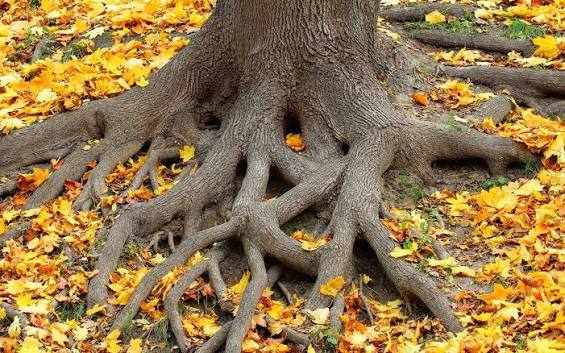
Trees provide shade, privacy, and natural beauty, but their root systems can create problems when they grow too close to driveways, garage pads, patios, walkways, and other concrete surfaces.
Tree roots do not always break through concrete directly. In many cases, they affect the soil beneath or beside the slab, creating pressure, moisture changes, or uneven support. Over time, these conditions can cause concrete to crack, lift, tilt, or settle.
Minor surface cracking may only be cosmetic. However, significant movement can create drainage problems, trip hazards, vehicle access issues, and damage to nearby foundations or structures.
Understanding how tree roots interact with concrete can help property owners decide whether they need a tree service, concrete contractor, arborist, or structural engineer.
Why Do Tree Roots Grow Beneath Concrete?
Tree roots naturally search for water, oxygen, nutrients, and areas where the soil is easier to penetrate.
The soil beneath a driveway or concrete slab may attract roots because it can retain moisture and remain protected from direct sunlight. Roots may also follow paths created by loose fill, utility trenches, drainage systems, cracks, or poorly compacted soil.
Roots are more likely to grow beneath concrete when:
- A mature tree is located close to the slab
- The surrounding soil is dry or compacted
- Water collects beneath or beside the concrete
- The concrete was installed over shallow or poorly compacted fill
- Existing cracks provide room for growth
- The slab has insufficient thickness or reinforcement
- Drainage directs water toward the tree and concrete
- The tree species has a large or aggressive root system
A root does not necessarily need to be directly beneath a crack to contribute to movement. Changes in the surrounding soil can also affect how the slab is supported.
Can Tree Roots Break Through Concrete?
Tree roots generally do not grow through strong, intact concrete. Instead, they take advantage of existing weaknesses or apply pressure to the soil beneath the slab.
As roots increase in diameter, they may lift concrete from below. They can also grow into small cracks, joints, or gaps and gradually make them wider.
Concrete is more vulnerable when it is:
- Thin or unreinforced
- Already cracked
- Installed over unstable soil
- Missing a properly compacted base
- Exposed to poor drainage
- Built too close to a mature tree
- Damaged by frost, settlement, or vehicle loads
The resulting damage may appear as raised sections, uneven joints, widening cracks, or localized areas of settlement.
How Tree Roots Affect Driveways
Driveways are particularly vulnerable because they are usually large, relatively thin slabs that support repeated vehicle loads.
When roots grow beneath a driveway, they can create upward pressure that lifts one section of concrete above another. This can produce an uneven driving surface or a noticeable ridge across the driveway.
Common signs of tree-root damage include:
- Raised concrete panels
- Cracks that widen toward a nearby tree
- Uneven control joints
- Water pooling along lifted sections
- Vehicle tires scraping raised edges
- Gaps beneath portions of the slab
- Repeated cracking after earlier repairs
- Separation between the driveway and garage floor
Driveway damage may also be caused by poor base preparation, frost movement, drainage problems, heavy vehicles, or normal aging. The presence of a nearby tree does not automatically mean its roots caused the damage.
A proper assessment should consider the crack pattern, tree location, soil conditions, drainage, slab construction, and history of movement.
How Tree Roots Affect Garage Pads
A garage pad carries heavier structural loads than a typical patio or walkway. It supports vehicles and may also support walls, columns, or portions of the garage structure.
Movement in a garage pad can become more serious when it affects:
- Load-bearing walls
- Garage door openings
- Structural columns
- Vehicle access
- Attached foundations
- Floor drains
- Interior finishes
- Connections between the garage and house
Possible warning signs include:
- A garage floor that slopes unexpectedly
- Cracks extending across the slab
- One side of the garage door no longer closing properly
- Gaps beneath walls or framing
- Water flowing toward the building
- Separation between the slab and foundation
- Doors or windows becoming difficult to operate
- Visible lifting near a tree-facing wall
Some garage pads are independent slabs placed inside foundation walls. Others may be thickened at the edges or designed as part of the structural foundation system.
Because construction methods vary, the significance of a crack cannot be determined from its appearance alone.
How Tree Roots Affect Patios and Other Concrete Slabs
Patios, walkways, shed pads, pool decks, and other exterior slabs are often placed closer to landscaping than driveways or garage foundations.
These surfaces may be especially vulnerable when trees are planted without enough space for their mature root systems.
Root-related movement can create:
- Trip hazards
- Uneven outdoor seating areas
- Cracks around posts or railings
- Water flowing toward the house
- Damage to pool surrounds
- Separation from stairs or landings
- Movement around deck supports
- Openings that allow water beneath the slab
Although damage to a patio may not threaten the main building, drainage changes can eventually affect nearby foundations, basement walls, and landscaping.
Why Concrete Sometimes Lifts Instead of Cracks
Concrete can tolerate some pressure before cracking. When a growing root applies concentrated force beneath a slab, the concrete may initially lift as one section.
The slab is more likely to lift when:
- The root is shallow and increasing in diameter
- The concrete contains reinforcement
- The affected panel is relatively small
- Control joints allow one section to move independently
- The surrounding soil provides uneven resistance
Eventually, the lifted slab may crack because it is no longer evenly supported. Vehicle loads, temperature changes, and water infiltration can make the damage worse.
Can Tree Roots Cause Concrete to Sink?
Tree roots are commonly associated with lifting, but they can also contribute to settlement.
After a tree is removed, its roots gradually decay. This process may leave small voids or areas of loosened soil beneath nearby concrete. If the slab was already poorly supported, portions of it may begin to settle.
Settlement may also occur when:
- Roots remove moisture from shrinkable soil
- Water follows root channels beneath the slab
- Soil washes into drainage openings
- Organic material was left beneath the concrete
- The slab was installed over an old stump or root ball
- Excavated areas were not properly compacted
A sinking slab does not necessarily mean the old roots are solely responsible. Poor drainage and base preparation are frequent contributing factors.
Can Removing the Tree Fix the Concrete Problem?
Removing a tree may prevent continued root growth, but it will not automatically repair the damaged concrete.
The existing slab may still be:
- Cracked
- Lifted
- Unevenly supported
- Exposed to poor drainage
- Resting over roots that will decay
- Structurally inadequate for its intended loads
Tree removal can also create new soil conditions. Moisture levels may change after the tree stops absorbing water, and decaying roots can leave voids over time.
Before removing a mature tree, consult a qualified arborist or tree service to determine whether removal is appropriate. In some cases, root pruning, barrier installation, drainage improvements, or selective concrete replacement may be possible alternatives.
Should Tree Roots Be Cut?
Cutting roots can sometimes protect a slab, but it can also destabilize or damage the tree.
Roots help anchor the tree and provide water and nutrients. Removing large structural roots may increase the risk of decline or failure, particularly during strong winds or storms.
Root cutting should not be completed without professional guidance when:
- The root is large
- The tree is mature
- Multiple roots would need to be removed
- The root is close to the trunk
- The tree leans toward a house or occupied area
- The tree is already damaged or unhealthy
- The property is exposed to high winds
- The work involves excavation near the tree
An arborist can evaluate whether roots can be safely pruned and whether the tree will remain stable afterward.
Root Pruning Versus Tree Removal
The appropriate solution depends on the condition of the tree, extent of the concrete damage, distance between the tree and slab, and importance of the affected structure.
Root Pruning
Root pruning may be considered when the affected roots can be removed without making the tree unstable.
It may be appropriate for limited conflicts involving:
- Walkways
- Patio edges
- Small sections of driveway
- Landscaping borders
- Non-structural exterior slabs
Root pruning is not always permanent. New roots may eventually grow into the same area unless a root barrier or other preventive measure is installed.
Tree Removal
Tree removal may be recommended when:
- The tree is unhealthy or unstable
- The roots are causing extensive damage
- Safe root pruning is not possible
- The tree is too close to a building
- Repairs cannot be completed while the tree remains
- The tree presents a risk to people or property
Tree removal should be coordinated with the planned concrete repairs. The old stump, root ball, and affected soil may need to be addressed before a new slab is installed.
When Is a Structural Engineer Needed?
A structural engineer is not usually required for a small crack in an exterior walkway or patio.
An engineering assessment may be appropriate when root-related movement affects:
- A garage foundation
- A structural garage pad
- An attached concrete slab
- Foundation walls
- Load-bearing walls
- Columns or posts
- A suspended concrete slab
- A retaining wall
- A building entrance
- Drainage around a house
- A slab supporting heavy equipment
An engineer may also be needed when the cause of movement is unclear or when significant repairs are planned.
The engineer can assess whether the damage is limited to the concrete surface or connected to a larger structural or soil-related issue.
Signs You Should Arrange an Inspection
Consider obtaining professional advice when you notice:
- Large or widening cracks
- One side of a slab lifting significantly
- Movement affecting a garage door
- Cracks extending into the foundation
- Walls or columns shifting
- Water draining toward the house
- Repeated cracking after repairs
- A slab separating from the building
- Uneven floors inside an attached garage
- Damage near a retaining wall or slope
Sudden movement or significant changes should be investigated promptly.
How Is Root-Related Concrete Damage Assessed?
A contractor or engineer may review:
- The size and pattern of the cracks
- The amount of vertical movement
- The location and species of nearby trees
- The distance between the tree and slab
- Drainage and grading
- Soil type
- Slab thickness
- Reinforcement
- Base preparation
- Vehicle or equipment loads
- Connections to nearby structures
In some cases, sections of concrete may need to be removed to confirm whether roots are present beneath the slab.
The assessment may also determine that the primary cause is not tree roots. Frost, erosion, poor compaction, expansive soil, or overloaded concrete can create similar symptoms.
Options for Repairing the Damage
The correct repair depends on the cause and severity of movement.
Possible solutions include:
- Grinding minor raised edges
- Sealing non-structural cracks
- Replacing individual concrete panels
- Removing selected roots under arborist supervision
- Installing root barriers
- Improving drainage
- Rebuilding the granular base
- Removing unsuitable or organic soil
- Recompacting the affected area
- Replacing the entire slab
- Redesigning the slab around the tree
- Removing the tree when necessary
Simply filling a crack may not provide a lasting solution if the root continues growing or the slab remains unevenly supported.
Can Concrete Be Poured Over Old Tree Roots?
New concrete should not normally be placed directly over large roots, stumps, loose soil, or decaying organic material.
As roots decompose, the ground beneath the slab may settle. This can cause the new concrete to crack or sink, even when it was properly reinforced.
Before pouring a replacement slab, the contractor may need to:
- Remove the damaged concrete
- Excavate large roots and organic material
- Remove loose or disturbed soil
- Install suitable granular fill
- Compact the base in controlled layers
- Correct drainage problems
- Install reinforcement where required
- Place concrete with appropriate joints and thickness
Structural slabs may require engineered details based on the soil conditions and anticipated loads.
How to Prevent Future Root Damage
The best time to prevent root damage is before planting a tree or installing a new concrete surface.
Preventive measures may include:
- Planting trees an appropriate distance from concrete
- Selecting species with suitable root characteristics
- Installing root barriers
- Providing adequate soil volume
- Improving site drainage
- Using a properly compacted base
- Designing reinforced slabs where needed
- Increasing slab thickness for vehicle loads
- Avoiding construction over old stumps or roots
- Monitoring cracks and movement over time
An arborist can help select appropriate planting locations, while a contractor or engineer can recommend suitable slab construction.
Who Should You Contact?
The right professional depends on the main concern.
Contact a qualified arborist or tree service when you need help with:
- Tree health
- Root pruning
- Tree stability
- Tree removal
- Stump removal
- Root barrier planning
Contact a concrete contractor when you need help with:
- Driveway replacement
- Patio repairs
- Slab removal
- Base preparation
- Concrete finishing
- Minor non-structural repairs
Contact a structural engineer when movement may affect:
- A foundation
- A garage structure
- Load-bearing components
- A retaining wall
- An attached slab
- Structural columns or walls
- The safety or stability of the building
Several professionals may need to coordinate when a mature tree is located close to a structure.
Do Not Assume Every Crack Was Caused by Roots
Tree roots are often blamed for cracked concrete simply because a tree is nearby. However, cracks can result from many factors, including:
- Concrete shrinkage
- Freeze-thaw cycles
- Poor drainage
- Weak base material
- Inadequate reinforcement
- Heavy vehicle loads
- Soil settlement
- Expansive soil
- Improper joint placement
- Normal aging
Removing a healthy tree without confirming the cause may not solve the problem.
A thorough assessment can help determine whether the roots are the primary cause, one contributing factor, or unrelated to the damage.
Speak With a Structural Engineer About Concrete Movement
Are tree roots lifting your driveway, cracking your garage pad, or affecting a concrete slab near your home?
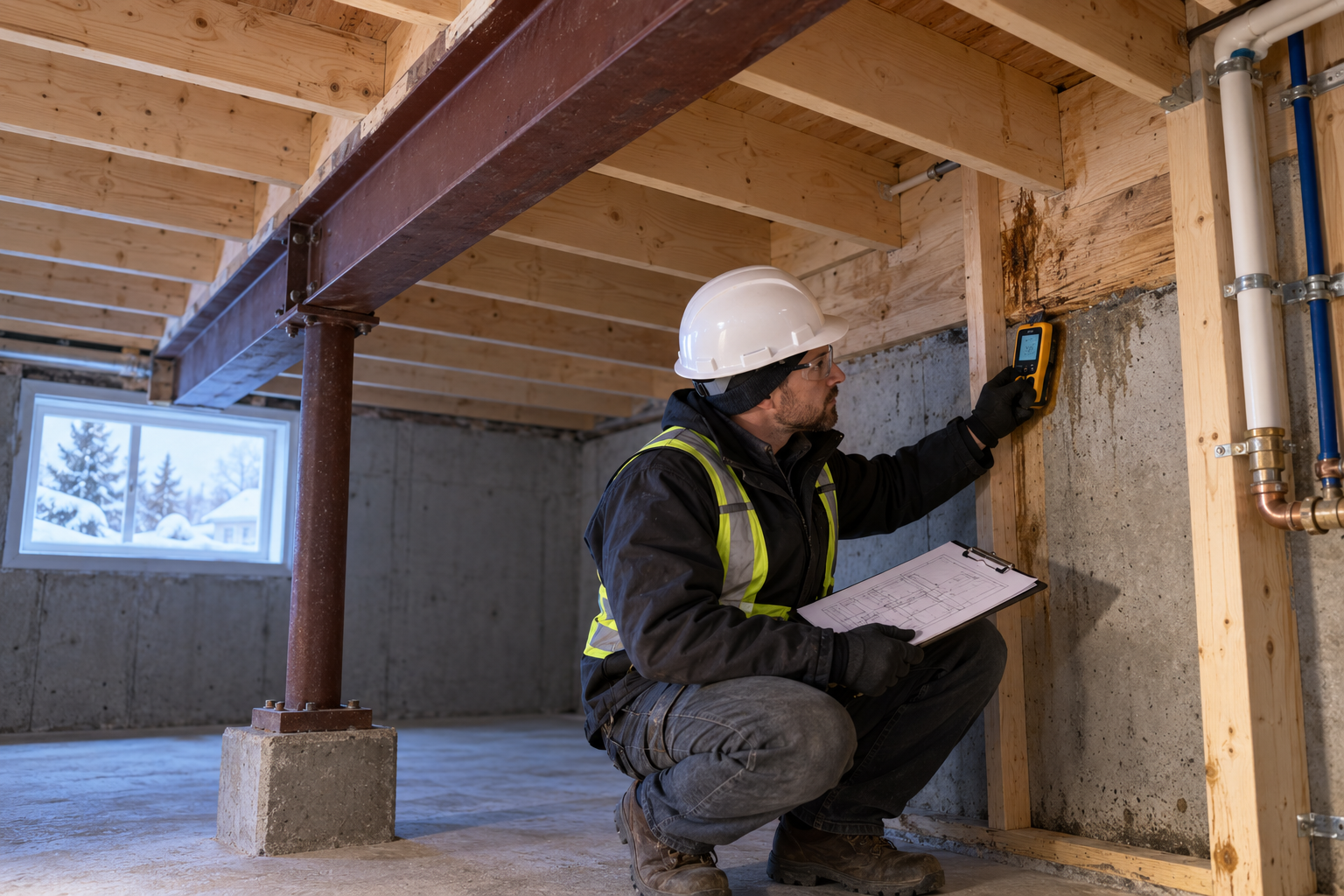
A structural engineer can assess the damaged area, identify whether nearby structures are affected, and recommend appropriate repairs. When necessary, the engineer can also coordinate recommendations with your arborist, tree removal contractor, or concrete contractor.
Contact our structural engineering team to arrange an assessment of cracked, lifted, or uneven concrete around your property.

Our Services
We provide tailored structural engineering solutions for homeowners, builders, and renovators in Southern Alberta.