
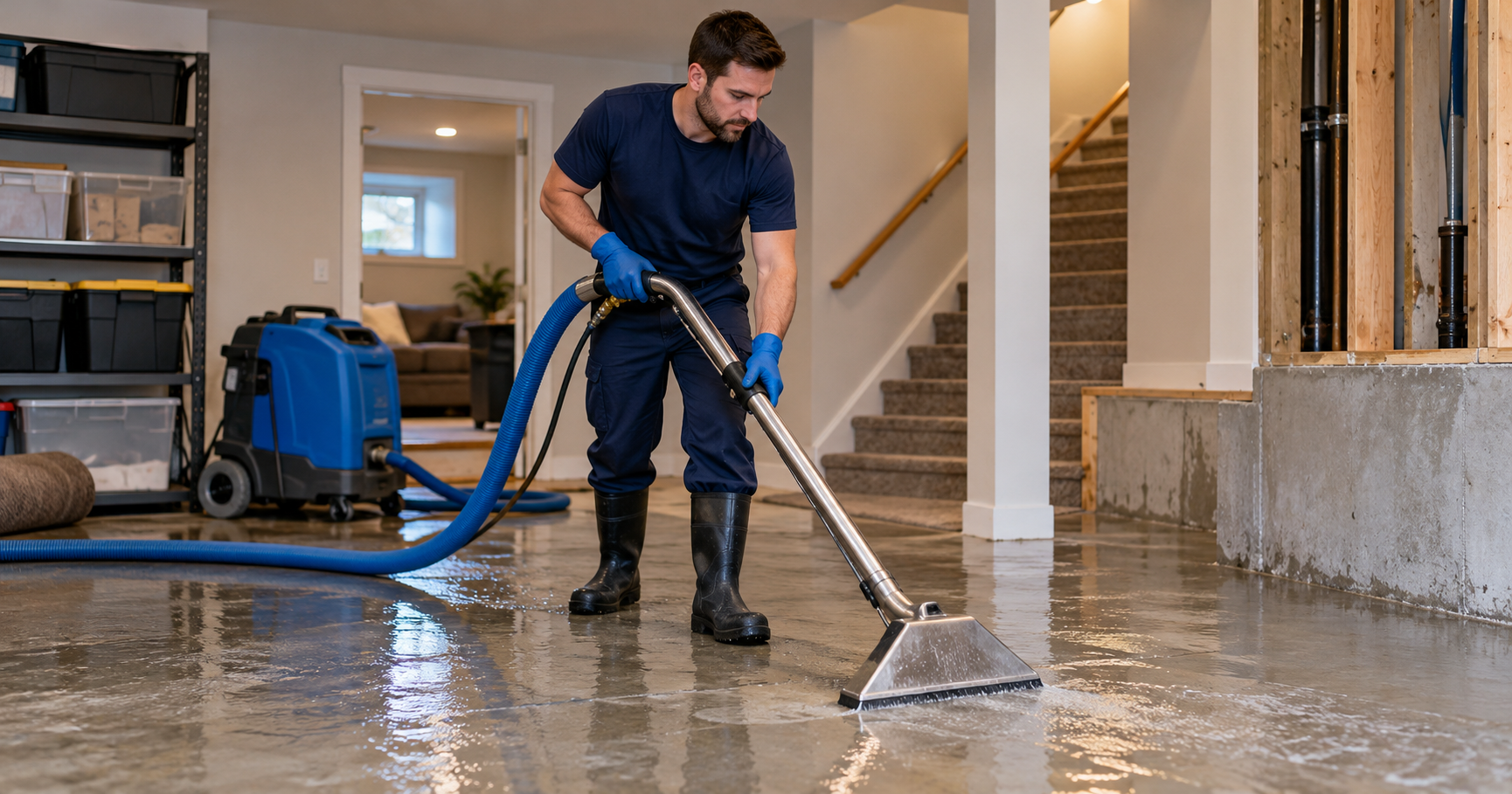
When Do You Need a Structural Engineer After Water Damage?
Water damage can affect much more than flooring, drywall, and personal belongings. When water reaches a home's foundation, support beams, floor joists, or load-bearing walls, it can compromise structural components that keep the building stable and safe. While many water damage incidents can be handled by a professional restoration company, more serious situations may require an assessment by a licensed structural engineer.
Understanding when to involve a structural engineer can help homeowners identify potential safety concerns, avoid unnecessary repairs, and ensure damaged structural components are properly evaluated before restoration work begins.
Can Water Damage Cause Structural Problems?
Yes. Water can weaken or damage structural materials, particularly when moisture remains trapped for extended periods or when flooding exposes building components to significant amounts of water.
Wood framing can absorb moisture, swell, warp, and eventually deteriorate. Prolonged exposure can contribute to fungal decay, reducing the strength of floor joists, support beams, and other structural members.
Concrete foundations are generally more resistant to moisture, but water pressure, soil movement, erosion, and existing foundation defects can create serious structural concerns. Flooding may also affect the soil supporting a foundation, potentially contributing to settlement or movement.
The severity depends on several factors, including the source of water, duration of exposure, affected materials, and existing condition of the structure.
Not every water damage incident requires structural engineering services. However, certain warning signs should never be ignored.
7 Signs You May Need a Structural Engineer After Water Damage
1. New or Worsening Foundation Cracks
Cracks in foundation walls or concrete floors can indicate structural movement, particularly when they develop or expand following flooding.
While some cracks result from normal concrete shrinkage, horizontal cracks, significant displacement, and widening cracks may suggest structural pressure or foundation movement.
A structural engineer can assess whether the cracking is cosmetic or indicates a more serious foundation problem.
2. Sagging or Uneven Floors
Water-damaged floor joists, beams, and subfloor systems can lose strength when deterioration occurs.
If floors begin sagging, bouncing excessively, or feeling noticeably uneven after a water damage incident, an engineering assessment may be necessary.
The engineer can evaluate the supporting structure and determine whether reinforcement, repairs, or replacement is required.
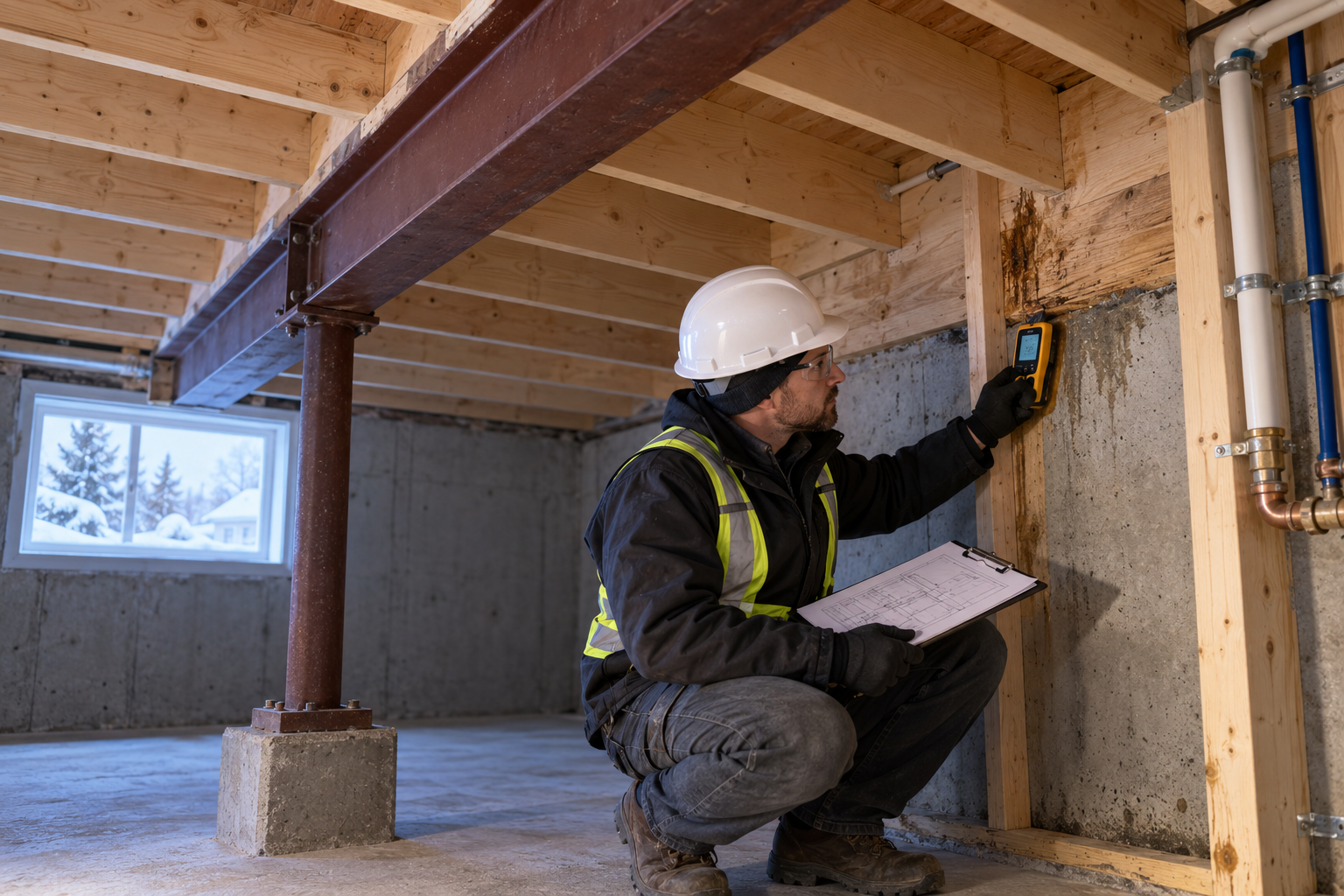
3. Water-Damaged Support Beams or Floor Joists
Support beams and floor joists carry loads throughout a home. When these components experience prolonged moisture exposure, their structural capacity may be affected.
Warning signs include:
- Visible wood decay or softening
- Splitting, warping, or excessive deflection
- Corrosion around structural connections
- Deteriorated framing in basements or crawl spaces
- Persistent moisture around load-bearing components
A structural engineer can determine whether the affected materials remain structurally adequate or require repairs.
4. Bowing or Bulging Basement Walls
Basement walls that bow, lean, or bulge following flooding may be experiencing excessive lateral pressure from saturated surrounding soil.
This situation can be particularly concerning when accompanied by horizontal cracking, water infiltration, or noticeable wall movement.
A structural engineer can evaluate the foundation walls and recommend appropriate stabilization measures when necessary.
5. Doors and Windows Suddenly Sticking
Doors and windows that become difficult to open or close after flooding may indicate structural movement.
Although moisture-related swelling can cause temporary sticking, persistent misalignment can also result from foundation settlement, framing movement, or structural deformation.
If multiple doors or windows develop problems following water damage, a structural inspection may help identify the underlying cause.
6. Significant Basement or Crawl Space Flooding
Major flooding can expose foundations, structural framing, and supporting soils to conditions they were not designed to withstand.
In severe cases, moving floodwater can erode supporting soil or damage structural connections.
A structural engineer may be needed to assess the building before extensive repairs, reconstruction, or occupancy.
7. Damage to Load-Bearing Walls
Water entering load-bearing walls can affect concealed framing, structural connections, and supporting materials.
If a load-bearing wall shows signs of deterioration, unusual movement, or significant water-related damage, an engineer can evaluate its condition.
Removing or replacing damaged load-bearing components without an appropriate structural assessment can create additional safety risks.
What Does a Structural Engineer Inspect After Water Damage?
A structural engineer focuses on determining whether water exposure has affected the safety, stability, or load-carrying capacity of the building.
Depending on the damage, a structural inspection may include:
- Foundation assessment: Evaluating cracking, settlement, movement, and signs of hydrostatic pressure.
- Floor framing inspection: Examining joists, beams, and supporting connections for deterioration or excessive deflection.
- Load-bearing wall assessment: Identifying structural framing damage and potential load-transfer concerns.
- Basement and crawl space evaluation: Reviewing exposed structural components and visible signs of movement.
- Structural repair recommendations: Determining whether reinforcement, replacement, or additional investigation is needed.
When appropriate, the engineer may prepare a written structural assessment, engineering calculations, or stamped repair drawings to support reconstruction and permit applications.
Structural Engineer vs. Water Damage Restoration Company
Structural engineers and water damage restoration companies provide different but complementary services.
A water damage restoration company typically handles emergency water extraction, moisture detection, structural drying, removal of unsalvageable materials, and cleanup.
A structural engineer evaluates whether the building's structural systems remain safe and determines how damaged structural components should be repaired.
For example, a restoration contractor may identify deteriorated floor joists during basement cleanup. A structural engineer can then assess the affected framing and specify an appropriate repair or replacement solution.
When both services are required, coordinating their work helps ensure moisture problems are addressed before permanent structural repairs are completed.
Does Every Flooded Home Need a Structural Inspection?
No. Minor water damage that is quickly addressed and limited to nonstructural materials generally does not require a structural engineer.
However, an inspection should be considered when flooding affects structural framing, causes foundation movement, or leaves uncertainty about the building's structural condition.
Homeowners should also consider obtaining an engineering assessment when significant structural repairs are being planned, when an insurer requests an engineering report, or when local building authorities require supporting documentation.
If severe structural damage is suspected, avoid entering affected areas until they have been assessed by qualified professionals.
Can Water-Damaged Structural Components Be Repaired?
Many water-damaged structural components can be repaired, but the appropriate solution depends on the extent and type of damage.
Possible repairs include reinforcing weakened floor joists, replacing deteriorated framing, repairing structural connections, or stabilizing affected foundations.
Not all exposed materials need replacement. Wood that has become wet but remains structurally sound may be suitable for retention after proper drying and evaluation.
Conversely, materials that have experienced significant decay, deformation, or loss of structural capacity may require reinforcement or replacement.
A structural engineer can help distinguish between cosmetic damage and structural deficiencies requiring corrective work.
Frequently Asked Questions
How long does it take for water to cause structural damage?
It depends on the material, exposure conditions, and existing structural condition. Some moisture-related changes occur quickly, while serious wood decay typically develops through prolonged or repeated exposure. Major flooding can also cause immediate structural damage through water pressure or erosion.
Can a structural engineer determine whether a house is safe after flooding?
A structural engineer can evaluate the structural condition of a building and identify safety concerns. However, a complete determination of whether a home is safe to occupy may also require electrical, environmental, and other specialized assessments.
Will homeowners insurance pay for a structural engineer?
Some insurance policies may cover structural engineering assessments when they are necessary to evaluate damage from a covered event. Coverage depends on the policy, cause of damage, and insurer's requirements.
Do I need a structural engineer before repairing water-damaged floor joists?
An engineer may be necessary when joists show significant deterioration, sagging, structural deformation, or damage affecting their load-carrying capacity. Minor nonstructural repairs may not require engineering involvement.
Schedule a Structural Inspection After Water Damage
Water damage does not always result in structural problems, but overlooking damaged foundations, floor joists, support beams, or load-bearing walls can lead to more extensive repairs and potential safety concerns.
If your home has experienced significant flooding or you're concerned about possible structural damage, a professional engineering assessment can help determine the condition of the affected components and identify the repairs needed.
Contact our residential structural engineering team to request a structural inspection, discuss your concerns, or obtain engineering recommendations for your property.

Our Services
We provide tailored structural engineering solutions for homeowners, builders, and renovators in Southern Alberta.

